Archives: Payment Countries

 Antony Robinson
October 22, 2024
Benin’s payment landscape is dominated by cash, but the country is experiencing a gradual shift towards greater digital adoption, particularly the use of mobile money platforms.

Australia’s payment landscape reflects a technologically advanced and diverse market, with a mix of traditional methods and a growing embrace of digital solutions.

Argentina is experiencing a complex economic landscape, with a reliance on cash transactions and limited access to banking services due to currency controls and economic instability.

Austria’s payment landscape reflects a blend of traditional preferences and the increasing adoption of digital payment methods.

Predominantly cash-based, Albania is experiencing a gradual shift towards digital payments. Mobile money and card acceptance are increasing, but infrastructure limitations and consumer habits pose challenges to faster adoption.
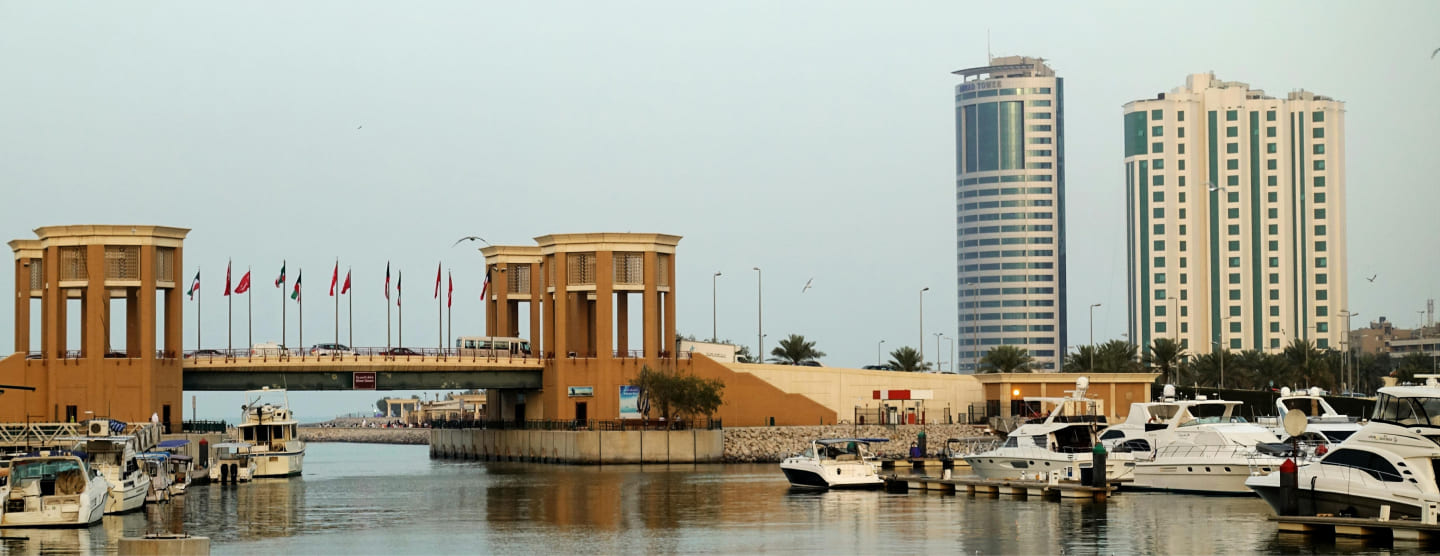
Bahrain’s payment landscape is evolving towards greater digitalization, with a mix of traditional methods and new payment technologies.

The Bahamas has a well-developed financial system, heavily reliant on credit cards and debit cards.

Armenia is seeing a growing adoption of digital payments and mobile banking as its financial system develops.

Antigua and Barbuda has a modern financial system, with a strong emphasis on digital payments and mobile banking.

Angola’s payment landscape is a mix of traditional and digital methods. Debit cards are widely used, and credit card usage is increasing, but cash remains important for smaller transactions.

Andorra benefits from a well-developed card payment infrastructure, showcasing high usage rates. This is complemented by a growing adoption of contactless payments and digital wallets, mirroring broader European trends.

American Samoa has a developing financial system, with cash remaining the dominant mode of payment.
Partner with us

We’ll always have requirements we could fill for each other, whether you are a technology provider, financial services provider, design agency or a business and marketing expert. Apart from enterprise-level partnerships, our referral programs will help build a very attractive long-term passive income stream for SMEs.
Explore partner opportunitiesSubscribe
Never miss a new integration, plugin release or critical industry news.