 Alexander Burba
Beyond the currency switch: How the 2026 transition reshapes liquidity, risk, and opportunity for global merchants.
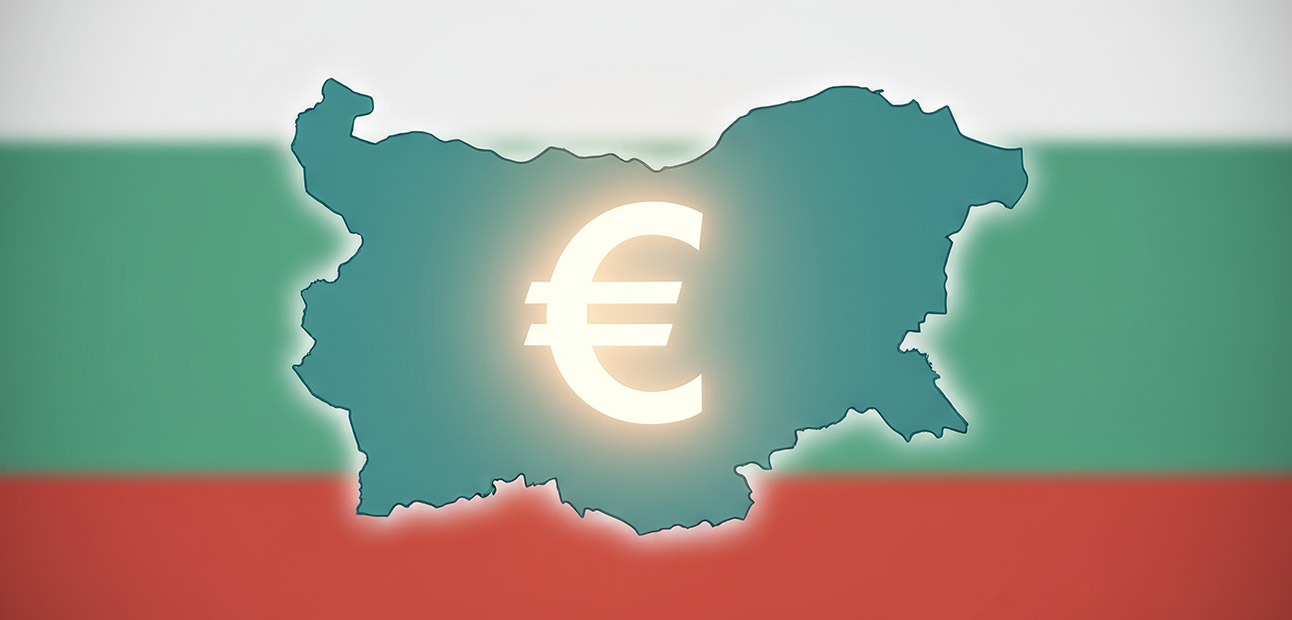
On January 1, 2026, the map of the Eurozone will change once again. As Bulgaria retires the Lev (BGN) to become the 21st member of the bloc, we are witnessing more than just a ceremonial changing of the guard. For the European digital economy, this accession represents a fundamental restructuring of the financial rails in Southeastern Europe—a move fully endorsed by the European Commission and one that demands attention from every merchant operating across EU borders.
For CFOs and Treasurers, this is a liquidity event. For e-commerce directors, it is a market expansion opportunity. But for everyone involved, the window for preparation is narrowing. Navigating this shift requires looking past the headlines to understand the strategic imperatives that will define the winners in this new landscape.
The Strategic Imperative: Why This Matters Now
While the political narrative focuses on European integration, the commercial reality is about the velocity of capital. For decades, the Lev has been pegged to the Euro, creating a semblance of stability. Yet, the friction of separate settlement accounts, “trapped” local cash pools, and persistent foreign exchange (FX) fees has acted as a silent drag on margins.
The adoption of the Euro removes these barriers instantly. We are moving toward a unified payment landscape where liquidity can be centralized into a single Euro-denominated master account. This shift eliminates the need for local hedging and significantly lowers the cost of doing business.
Furthermore, full integration into the Single Euro Payments Area (SEPA) accelerates the adoption of real-time payments. Merchants can expect a rapid shift toward 24/7 settlement cycles (SCT Inst), effectively reducing Days Sales Outstanding (DSO) and improving cash flow predictability compared to legacy clearing times.
The Technical Reality: Precision is Non-Negotiable
The transition process itself is governed by strict mathematical precision, monitored closely by the European Central Bank (ECB). The rules are rigid, and for good reason—consumer trust hangs in the balance.
The conversion rate has been irrevocably locked at 1.95583 BGN to 1 EUR. For technical teams, this number is sacrosanct. The “5-decimal rule” dictates that you cannot round this factor during calculation; rounding to the nearest cent is permitted only after the final conversion is complete. A system that rounds early (e.g., using 1.96) will not just be inaccurate—it will be non-compliant.
Timeline management is equally critical. Long before the official switchover, merchants must manage the Dual Display Mandate. Beginning August 8, 2025, as outlined by the Official Website for Euro Adoption in Bulgaria, prices must be visible in both currencies across all channels—from physical shelf labels to digital checkout summaries and invoices. This is not merely a front-end UI update; it requires deep changes to how your ERP and invoicing systems handle historical data and currency logic.
Operational Execution: Your Roadmap for 2025
Success in this transition won’t happen by accident. It requires a deliberate audit of your entire payment processing ecosystem to ensure resilience.
First, recalibrate your pricing strategy. A psychological price point like 9.99 BGN converts to roughly €5.11—a figure that lacks marketing appeal. Merchants must decide now whether to absorb the margin hit by rounding down to €4.99 or risk consumer pushback by rounding up to €5.49.
Second, leverage your infrastructure partners. As your payment service provider, Novalnet is proactively updating our systems to handle the complexity of SEPA compliance and automatic settlement switching. However, you must ensure your own internal integration is configured to route funds to EUR IBANs for your Bulgarian entities starting January 1st.
Finally, remain vigilant against transitional risk. Currency switchovers often create a smokescreen for fraud, with bad actors sending phishing emails about “new banking details.” Tuning your fraud prevention settings to detect anomalies during this volatile period is essential.
The Macroeconomic View
To truly understand the future market trends this shift will trigger, it is helpful to look at the wider economic context. For a detailed analysis of the impact on specific payment workflows and EU stability, we recommend reading this in-depth resource:
Bulgaria Adopts the Euro: Key Impacts on Businesses, Payments, and the EU Economy in 2026
The Novalnet Perspective
We view Bulgaria’s accession as a vital step toward a seamless European digital market. It simplifies reconciliation for our merchants and removes the friction that often hampers cross-border expansion. The transition is a complex logistical challenge, but with the right preparation, it serves as a powerful catalyst for growth.
Do you have questions about your specific technical setup?
Don’t navigate this transition in isolation. Our payment experts are available to discuss your specific requirements—from rounding logic to SEPA Instant readiness—to ensure your business is fully compliant well before the deadline.
Contact our experts here to discuss your transition strategy

Alexander Burba is a Performance Marketing Specialist at Novalnet AG in Munich, where he leads digital acquisition and brand initiatives. With over 7 years of experience in B2B SaaS, FinTech, and IT marketing, Alexander has supported international teams in Germany and Ukraine, serving clients across the EU, US, and global markets. He combines data-driven strategy with cross-functional collaboration to deliver measurable growth for Novalnet and its partners.
Partner with us

We’ll always have requirements we could fill for each other, whether you are a technology provider, financial services provider, design agency or a business and marketing expert. Apart from enterprise-level partnerships, our referral programs will help build a very attractive long-term passive income stream for SMEs.
Explore partner opportunitiesSubscribe
Never miss a new integration, plugin release or critical industry news.